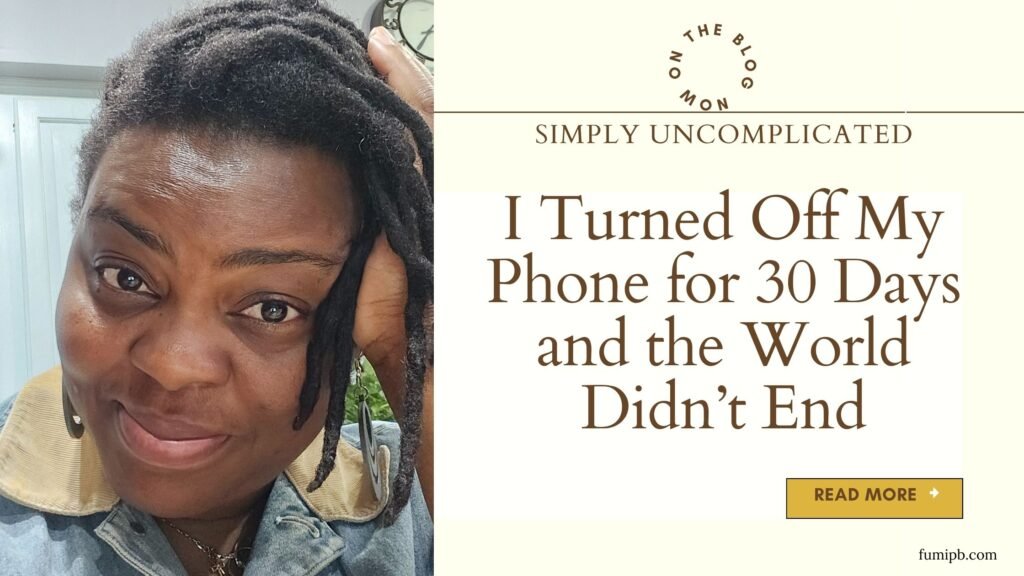
How to survive without a smartphone in 2026
It started as a snap decision. I didn’t plan a retreat or a digital fast; I just hit the “off” switch on my phone and decided to leave it there. In a world where we use our phones for everything from banking to 2FA security codes, the idea of being unreachable feels almost dangerous. But I quickly realized that most of my “emergencies” were actually just habits. While I still used my computer for essential tasks, removing the device from my pocket created a “moat” around my time.
Does being unreachable affect your work productivity?
Most people fear that if they aren’t reachable 24/7, their professional life will crumble. I found the opposite to be true. My workday felt like a suitcase that was no longer stuffed to the point of breaking. I wasn’t “finding extra time,” I was finding breathable time. Without the constant compression of notifications, I could actually focus on one task at a time. I became a “Resource” rather than a “Source,” and I realized that most people are perfectly capable of finding their own solutions when you aren’t there to give them an instant answer.
How to reconnect with your spouse without distractions
The biggest breakthrough didn’t happen at my desk; it happened at my kitchen table. On a slow Saturday morning, without the “third party” of a screen between us, my husband and I actually talked. We asked questions about who we are now. It stemmed from this devotional on bible app. You should check it out. We realized that the people we were five years ago have evolved, and we had missed the “texture” of those changes because we were too busy being “busy.” It is one of those things that might have been completed with the phone but the pace and the relaxed vibe would have been lost. I will elaborate more about this in my upcoming ebook that gives more fleshy details about the exercise.
The psychological benefits of a digital sabbatical
I learned that the pressure to be “always on” is often self-imposed. We build our own bridges to feel relevant and valued. Turning off the noise allowed me to perform an “Ego Audit.” I had to ask myself: Do I want to be needed, or do I want to be known? I chose to be known. I learned that my value isn’t tied to my response time, and my peace isn’t something I needed to trade for a notification.
Summary: What you need to know about digital discipline
- Is a digital detox worth it? Yes, even if you still use a computer for essentials, removing the “pocket distraction” changes your brain’s pace.
- How do you handle emergencies without a phone? Set up a “Foundation of Partnership” where a spouse or family member has access to joint accounts and emergency info.
- Can you stay productive without a smartphone? You will likely be more productive because your “mental suitcase” isn’t being over-stuffed by non-urgent requests.
- What is the best way to start a digital fast? Start by identifying your “Self-Imposed Bridges”—the things you do just to feel relevant—and stop crossing them.
A Word of Truth
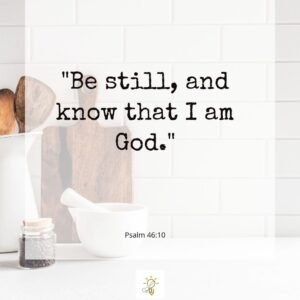
“Be still, and know that I am God.” — Psalm 46:10
The Next Step for Your Peace
I didn’t plan for my world to go quiet, but now that I’ve heard the silence, I don’t know what to feel going back to the noise. If you feel like you are managing a life you aren’t actually living, I want to invite you into the deeper story.
I am currently finalizing a detailed report and guide called The Indispensability Myth (possible title). Inside, I share the “Life Design” questions that enhanced our marriage, the logistics of navigating a digital world without a tether, and how to stop building “bridges” that only lead to burnout and much more.
[Join the Waitlist Here]
Be the first to know when the book drops. By joining, you’ll also get my weekly “Pace Reports”—an honest look at my journey to stay present in a world that wants us to rush. Let’s learn to be still, together.